

Does Xtroliner help achieve Passive House or nZEB standards?
Yes. The U-value which XtroLiner Insulation delivers helps us to achieve Passive House standards and NZEB standards by:
- Improve fabric efficiency
- Reduced thermal bridging
- Support airtight construction strategies.
This contributes to meeting or exceeding Irish Building Regulations and supports voluntary standards such as Passive House and NZEB design principles.
Have a look at our case study on the world’s largest Passive House Premium building, built in Fermanagh, Ireland with Unilin Insulation’s Xtroliner Range
PIR and fire safety
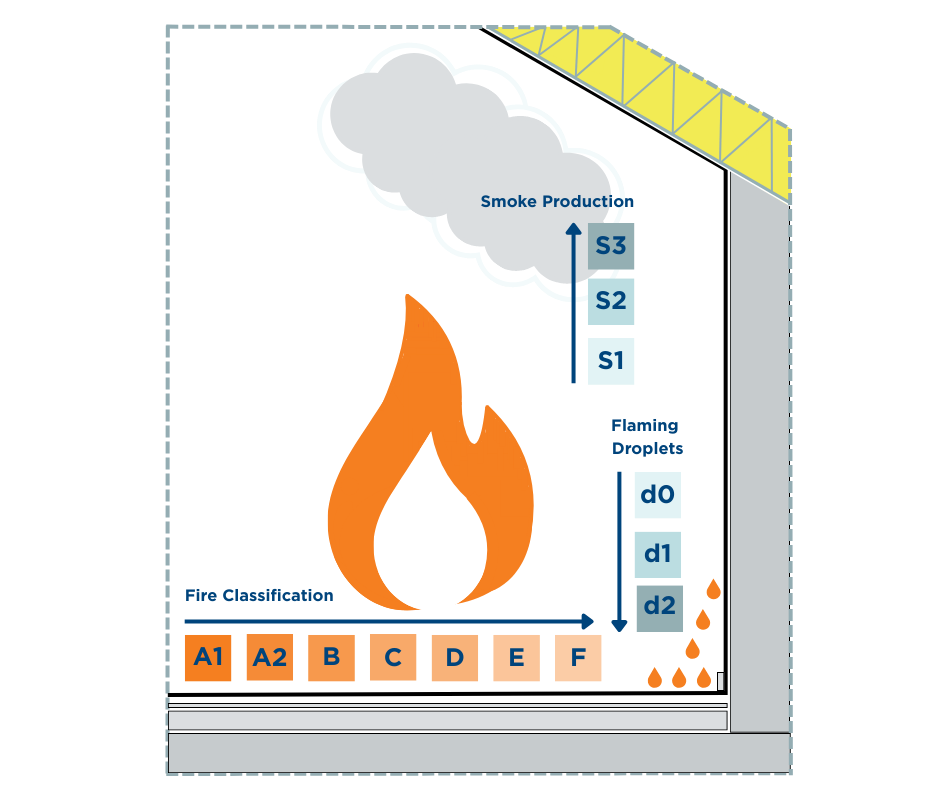
Reaction to fire for insulation describes how a material responds when exposed to fire, by the European Euroclass system from A1 (non-combustible) to F. The classification includes additional criteria for smoke production (s1, s2, s3) and flaming droplets (d0, d1, d2) to assess a material’s performance. This is different from “fire resistance,” which measures how long an entire building element can maintain its structural function, integrity, and thermal insulation during a fire.
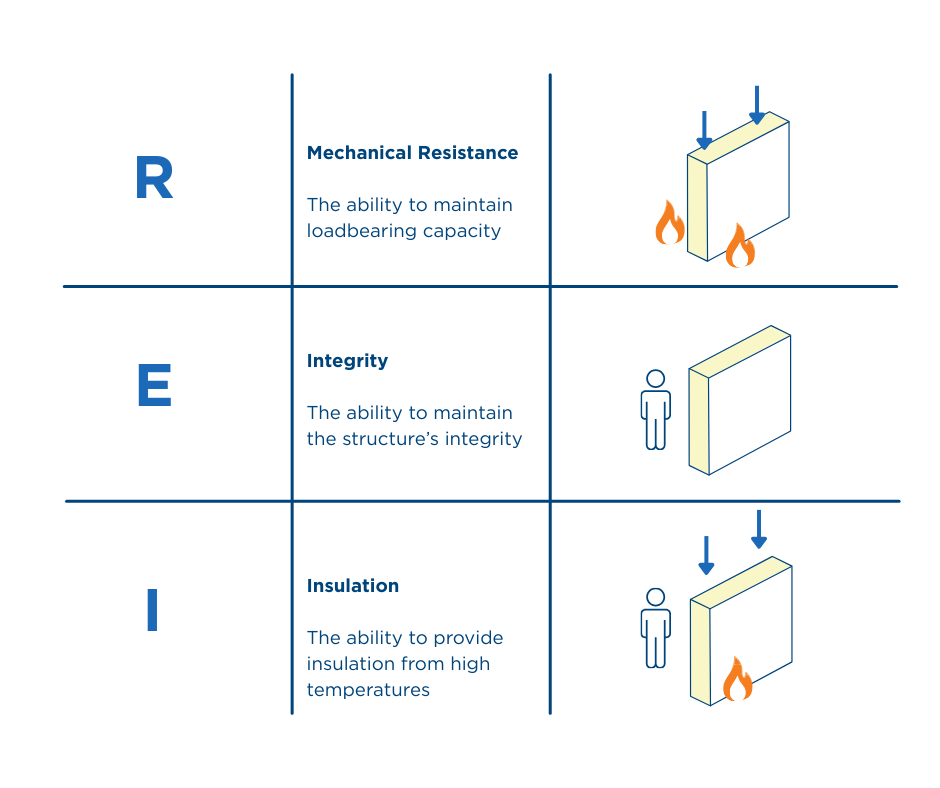
Fire resistance refers to the behaviour of a structural component during a fully developed fire. European classification is based on an evaluation of three sub-aspects: load-bearing capacity (R), flame resistance (E) and insulating capacity (I).
Related Products


Join our mailing list.
Stay informed of the latest developments with the Unilin Insulation mailing list
Subscribe
"*" indicates required fields
Resources
Have a look at our brochures, technical files and other documents